

Podcast: Play in new window | Embed
Tech News and Commentary
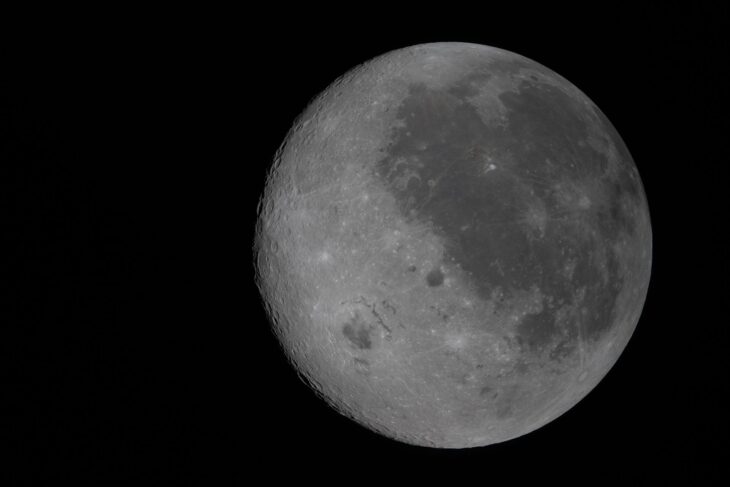
Dave and Chris discuss Apple foldable phone rumors, Artemis II, Samsung’s AirDrop support, billionaires, and more.
“News Pick of the Week” with Ralph Bond
Giant data centers are rapidly popping up all over the world, and they are usually huge complexes that eat up a lot of land and local energy resources. Ralph Bond tells us there’s a new idea to create mobile, energy efficient, all-electric data centers.
Read more here.
Rich in Purcellville, Virginia asked: “It’s that time of year again… time to get a new TV. Last time I asked you about this you had some pretty good advice but now I’m seeing that there’s even more screen types to consider. You had OLED and QLED in the past. Now there’s New QLED, and Mini LED and probably a couple others I can’t think of right now. Is there really that much of a difference between them and which would you recommend?”
Rich, there are meaningful differences between OLED, QLED, Mini LED, and the best one for you will depend on where you’re going to place your TV.
OLED (Organic Light-Emitting Diode) TVs produce their own light, allowing for deep blacks, infinite contrast, and excellent viewing angles. They have extremely fast response times making them great for gamers. They have two downsides: they are not as bright as LED-based technologies, which can be a problem in well-lit rooms, and they’re expensive. They can also be subject to burn-in, though it’s not as common as it was with Plasma TVs.
QLED stands for Quantum-dot Light Emitting Diode, it was developed by Samsung and it uses a “quantum dot layer” with an LED backlight. QLED offers great colors and better peak brightness than standard LED TVs but typically has lower contrast than OLED due to less precise local dimming.
Mini LED is an advancement over traditional LED backlights, using thousands of smaller LEDs for better local dimming and better contrast. It’s meant to bridge the gap between standard LED and OLED and offer good brightness and good blacks in one package.
Neo QLED is Samsung’s brand for its high-end Mini LED TVs, so you’re looking at basically the same technology, just with a less generic name.
In terms of prices, from least to more expensive you’re looking at: QLED, followed by Mini LED and Neo QLED, and then OLED as the most expensive option.
For OLEDs you can pretty much expect to have to spend figures in the thousands, the rest can be had from anywhere from the low hundreds to the thousands depending on size, brand, and overall quality.
 When you participate on the show – anytime 24/7 – and we HEAR you with any consumer tech question, comment, help for another listener, tech rage or just share your favorite App these days … you could win prizes.
Brondell: Pro Sanitizing Air Purifier – Removes dust, dander, pollen, smoke, and airborne viruses ($800 Value)
Heat It: Smartphone-Powered Insect Bite Healers
Targus: Form-Fit Covers for Various Chromebooks
V-Juice: 1mm Thin wireless inductive charger
All CALLERS — using the Ask Dave button on our website or calling 1-800-899-INTO(4686) – automatically qualify to win prizes.
Audio archived for at least 6 months